Why Turmeric Is Called the Golden Treasure of India
Turmeric, popularly known as Haldi, is more than just a spice used in Indian kitchens. It is a symbol of purity, healing, and protection, deeply rooted in Indian culture, Ayurveda, and daily life. From religious rituals and wedding ceremonies to home remedies and modern supplements, turmeric has maintained its relevance for thousands of years.
In today’s world—where lifestyle diseases, inflammation, stress, and immunity-related disorders are rising rapidly—turmeric has re-emerged as a global superfood. Modern science now confirms what Ayurveda has always known: turmeric is a powerful natural healer.
This blog is a comprehensive exploration of turmeric—its history, Ayurvedic significance, nutritional profile, health benefits, uses for skin and hair, scientific validation, consumption methods, precautions, and its role in modern wellness.
What Is Turmeric?
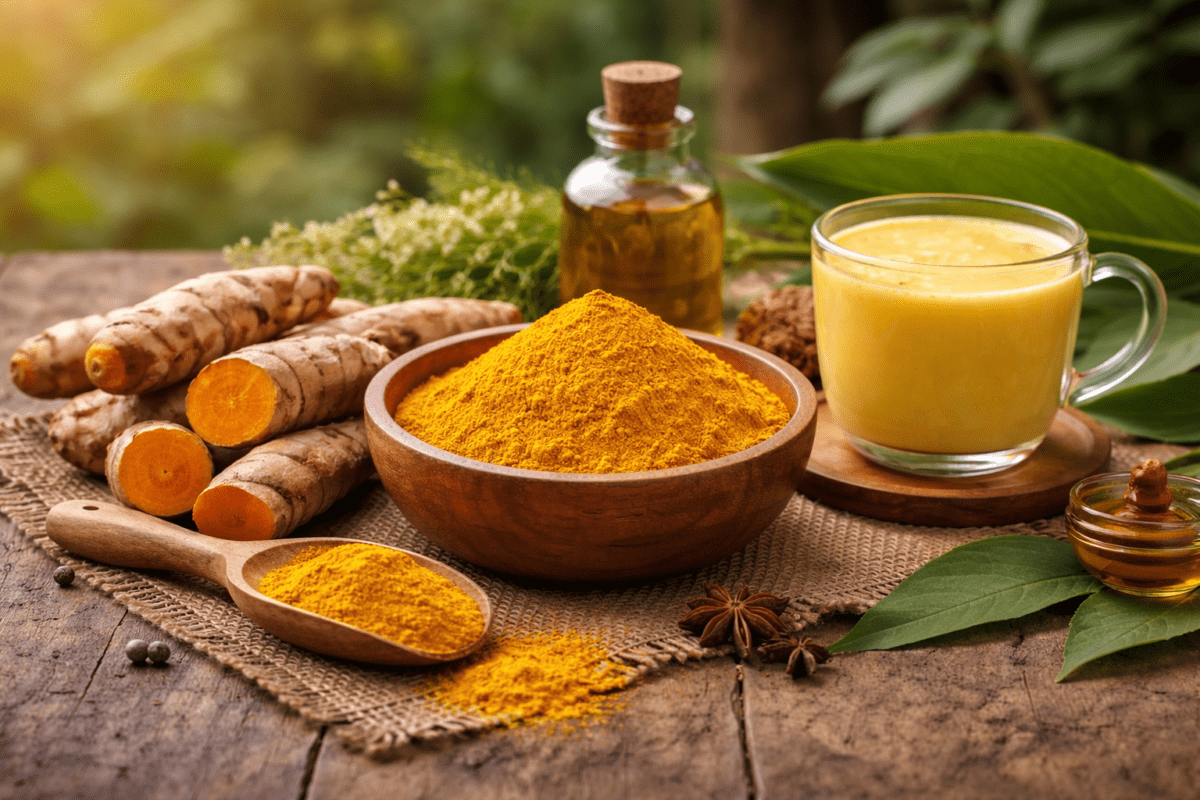
Turmeric is derived from the root (rhizome) of the plant Curcuma longa, belonging to the ginger family. The dried and ground root produces the bright yellow-orange powder known worldwide as turmeric.
Key Characteristics:
Color: Golden yellow
Taste: Bitter, earthy, slightly pungent
Nature: Warming
Aroma: Mild, peppery
Turmeric has been cultivated in India and Southeast Asia for over 4,000 years and is considered one of Ayurveda’s most versatile herbs.
Turmeric in Ayurveda: Ancient Wisdom
In Ayurveda, turmeric is known as Haridra. It is described as:
Kaphahara (reduces Kapha)
Vata-pacifying
Mildly balancing for Pitta when used correctly
Ayurvedic Properties:
Rasa (Taste): Bitter, pungent
Virya (Potency): Heating
Vipaka (Post-digestive effect): Pungent
Because of these properties, turmeric is used to:
Purify blood
Reduce inflammation
Support digestion
Heal wounds
Strengthen immunity
Nutritional and Active Compounds in Turmeric
The true power of turmeric lies in its active compounds, especially Curcumin.
Key Components:
Curcumin: Powerful anti-inflammatory and antioxidant
Turmerones: Support brain and immune health
Volatile oils: Aid digestion
Minerals: Iron, potassium, manganese
Vitamins: Vitamin B6, vitamin C
Curcumin is responsible for most of turmeric’s therapeutic benefits, though it works best when combined with black pepper (piperine).
Health Benefits of Turmeric
1. Powerful Anti-Inflammatory Herb
Chronic inflammation is the root cause of many diseases such as arthritis, heart disease, diabetes, and autoimmune disorders.
Turmeric:
Blocks inflammatory pathways
Reduces joint pain and swelling
Supports long-term inflammatory balance
It is especially helpful in arthritis and muscle pain.
2. Boosts Immunity Naturally
Turmeric strengthens the immune system by:
Enhancing white blood cell activity
Fighting bacteria, viruses, and fungi
Supporting faster recovery from illness
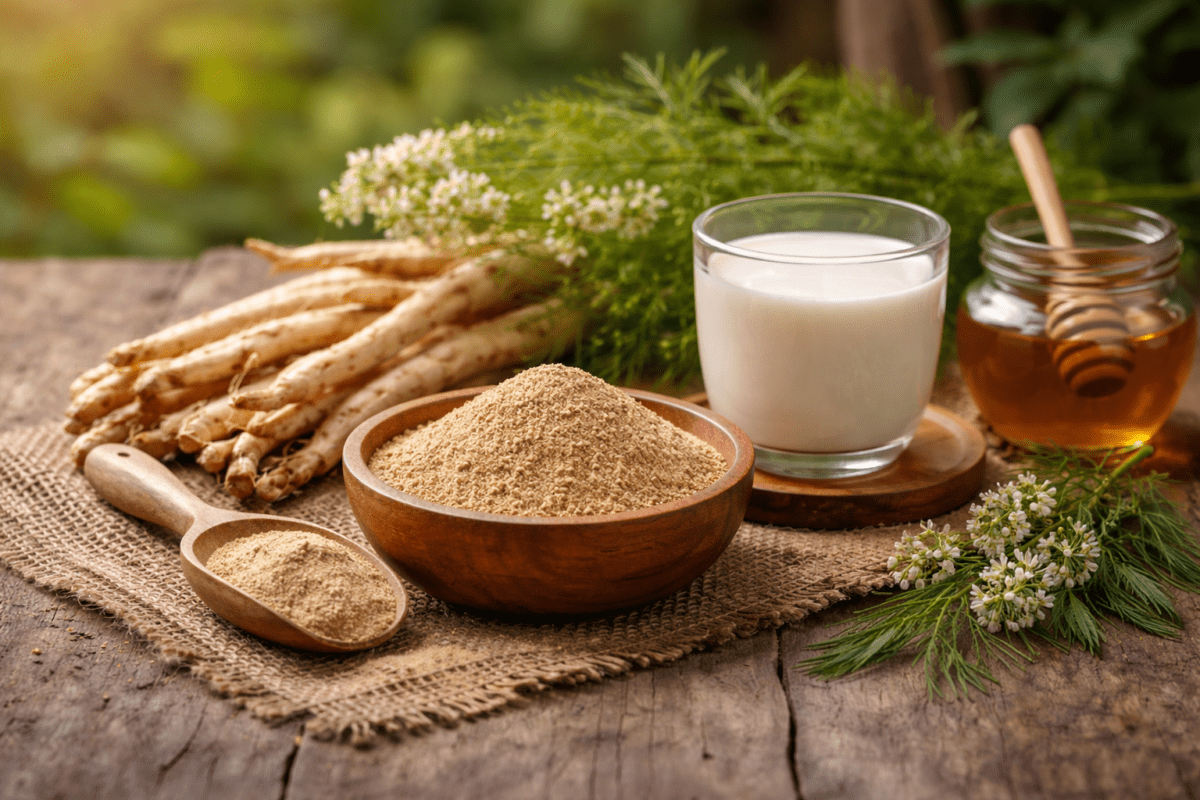
This is why turmeric milk (Golden Milk) is a traditional remedy during colds and infections.
3. Supports Digestive Health
Turmeric improves digestion by:
Stimulating bile production
Reducing bloating and gas
Supporting gut health
It is helpful in indigestion, acidity, and sluggish digestion when used in moderation.
4. Purifies Blood and Improves Skin Health
In Ayurveda, turmeric is a Rakta Shodhak (blood purifier).
Benefits include:
Clearer skin
Reduced acne and pimples
Improved complexion
Support in eczema and psoriasis
Turmeric works from within to heal the skin.
5. Supports Joint and Bone Health
Turmeric is widely used for:
Joint stiffness
Osteoarthritis
Muscle soreness
Its anti-inflammatory action reduces pain and improves mobility without harsh side effects.
6. Heart Health Support
Turmeric contributes to cardiovascular health by:
Reducing inflammation in blood vessels
Supporting healthy cholesterol levels
Improving circulation
This lowers the risk of heart-related issues over time.
7. Brain Health and Mental Well-being
Curcumin:
Crosses the blood-brain barrier
Supports memory and focus
May help reduce risk of neurodegenerative diseases
Turmeric also helps reduce stress-related inflammation in the brain.
8. Natural Detoxifier for the Liver
Turmeric supports liver function by:
Enhancing detox enzymes
Protecting liver cells
Supporting fat metabolism
A healthy liver means better digestion, immunity, and skin health.
Turmeric for Skin: External Uses
Turmeric is a staple in traditional skincare.
Benefits for Skin:
Reduces acne and scars
Brightens complexion
Soothes sunburn and irritation
Slows signs of aging
Popular Uses:
Turmeric face packs
Ubtan (bridal skincare)
Spot treatment for pimples
Turmeric for Hair and Scalp
Turmeric helps maintain scalp health:
Reduces dandruff
Soothes scalp irritation
Improves circulation
Used in small amounts, it supports healthy hair growth.
Turmeric in Daily Diet
Turmeric is most effective when used consistently in food.
Common Culinary Uses:
Curries and vegetables
Lentils (dal)
Soups and stews
Rice dishes
Cooking turmeric with healthy fats improves curcumin absorption.
Golden Milk: The Ayurvedic Elixir
Golden Milk is one of the most famous turmeric remedies.
Benefits:
Improves immunity
Promotes better sleep
Reduces inflammation
Aids recovery
Basic Recipe:
Warm milk
½ teaspoon turmeric
Pinch of black pepper
Optional: ginger or cinnamon
Scientific Validation of Turmeric
Modern research supports turmeric’s benefits:
Anti-inflammatory effects comparable to some drugs
Antioxidant protection at cellular level
Support in metabolic and immune health
Curcumin supplements are now widely studied worldwide.
How to Consume Turmeric Safely
Recommended Forms:
Raw turmeric
Powder in food
Golden milk
Capsules (standardized curcumin)
Tips:
Always combine with black pepper
Use with healthy fats
Avoid excessive dosage
Precautions and Side Effects
Although natural, turmeric should be used mindfully:
Excess may cause stomach irritation
Avoid high doses during pregnancy without medical advice
People with gallstones should consult a doctor
Do not replace prescribed medicines without guidance
Moderation is the key.
Turmeric vs Modern Medicine
Aspect
Turmeric
Synthetic Drugs
Nature
Natural
Chemical
Side effects
Minimal
Possible
Long-term use
Safe
Often restricted
Holistic benefit
Yes
Usually symptom-based
Turmeric works slowly but deeply.
Role of Turmeric in Modern Wellness
Today, turmeric is used in:
Nutraceuticals
Skincare products
Herbal supplements
Functional foods
It bridges ancient wisdom and modern science.
Why Turmeric Is Essential for a Natural Lifestyle
Turmeric supports:
Preventive healthcare
Sustainable living
Chemical-free wellness
Traditional knowledge preservation
It is affordable, accessible, and effective.
Conclusion: Turmeric—Nature’s Golden Healer
Turmeric is not a trend—it is a timeless healer. From boosting immunity and digestion to supporting joints, skin, brain, and heart health, turmeric proves that nature provides powerful solutions when used correctly.
In a world searching for sustainable health answers, turmeric stands tall as a golden gift of Ayurveda, reminding us that true wellness begins with balance, consistency, and respect for nature.
Let turmeric be your daily companion—not as medicine, but as mindful nourishment.