Introduction
Bael leaf, commonly known as Bel Patra, holds a very special place in Ayurveda, Indian culture, and traditional medicine. Derived from the Bael tree (Aegle marmelos), bael leaves are revered not only for their powerful medicinal properties but also for their spiritual significance. In Ayurveda, bael leaf is considered a tridosha-balancing herb, especially effective in pacifying Vata and Kapha dosha.
For centuries, bael leaves have been used to support digestive health, control blood sugar, improve gut strength, and enhance immunity. In modern times, with increasing lifestyle disorders such as diabetes, digestive issues, and weakened immunity, bael leaf is gaining renewed attention as a natural and holistic remedy.
Botanical Description of Bael Tree
The bael tree is a medium-sized deciduous tree native to India and Southeast Asia. It is hardy, drought-resistant, and grows well even in poor soil conditions.
- Botanical name: Aegle marmelos
- Family: Rutaceae
- Common names: Bael, Bel, Bilva, Stone Apple
- Parts used: Leaves, fruit, bark, roots
- Taste (Rasa): Tikta (bitter), Kashaya (astringent)
- Potency (Virya): Ushna (hot)
- Vipaka: Katu
Bael leaves are trifoliate (three-leafed), aromatic, and rich in medicinal compounds such as alkaloids, flavonoids, tannins, and essential oils.
Ayurvedic Importance of Bael Leaf
In Ayurveda, bael leaf is known as Bilva Patra and is classified as a powerful digestive and absorbent herb. It is mentioned extensively in classical Ayurvedic texts like Charaka Samhita and Ashtanga Hridaya.
Bael leaf is particularly valued for its ability to:
- Strengthen the digestive fire (Agni)
- Absorb excess moisture from the intestines
- Restore gut balance
- Support metabolic health
Due to these properties, bael leaf is widely used in treating chronic digestive disorders and metabolic conditions.
Key Health Benefits of Bael Leaf
1. Improves Digestive Health
One of the most well-known benefits of bael leaf is its powerful action on the digestive system. It helps improve digestion, reduce bloating, and strengthen intestinal muscles.
Bael leaf is especially beneficial in:
- Chronic diarrhea
- Dysentery
- Irritable bowel syndrome (IBS)
- Weak digestion
Its astringent nature helps absorb excess fluid from the intestines and restores normal bowel movements.
2. Effective in Diarrhea and Dysentery
Bael leaf has strong anti-diarrheal and antimicrobial properties. It helps control frequent loose motions, reduces intestinal inflammation, and fights harmful bacteria causing gut infections.
Regular use of bael leaf decoction is a traditional remedy for both acute and chronic diarrhea.
3. Helps Manage Diabetes Naturally
Bael leaf is widely used in Ayurveda for blood sugar regulation. The active compounds present in bael leaf help improve insulin sensitivity and reduce glucose absorption in the intestines.
Benefits for diabetics include:
- Lower fasting blood sugar levels
- Improved glucose metabolism
- Reduced sugar cravings
Bael leaf powder or fresh leaf juice is commonly used as a natural support for diabetes management.
4. Supports Liver Health
Bael leaf has detoxifying and hepatoprotective properties that help protect the liver from toxins and oxidative stress.
It supports:
- Liver detoxification
- Improved bile secretion
- Protection against fatty liver conditions
This makes bael leaf beneficial for people with poor digestion, sluggish liver, or toxin buildup.
5. Strengthens Immunity
Rich in antioxidants and bioactive compounds, bael leaf helps strengthen the immune system. It protects the body against infections, seasonal illnesses, and chronic inflammation.
Regular use helps:
- Increase disease resistance
- Reduce frequency of infections
- Support faster recovery
6. Anti-inflammatory & Antimicrobial Properties
Bael leaf contains natural compounds that reduce inflammation and inhibit the growth of harmful microbes. This makes it useful in managing:
- Gut infections
- Low-grade inflammation
- Minor wounds (external application)
Its antimicrobial nature supports internal cleansing and gut health.
7. Helpful in Respiratory Disorders
Bael leaf is beneficial in managing respiratory issues caused by excess Kapha dosha. It helps clear mucus, reduce cough, and improve breathing.
It may be useful in:
- Chronic cough
- Cold and congestion
- Mild asthma symptoms
8. Supports Heart Health
By improving digestion, reducing toxin accumulation (Ama), and supporting metabolic balance, bael leaf indirectly contributes to heart health. Its antioxidant properties help reduce oxidative stress, a key factor in cardiovascular disorders.
Chemical Constituents of Bael Leaf
Bael leaf contains several medicinally active compounds, including:
- Alkaloids
- Flavonoids
- Tannins
- Coumarins
- Essential oils
- Phenolic compounds
These constituents are responsible for its anti-diabetic, anti-inflammatory, antioxidant, and antimicrobial effects.
How to Use Bael Leaf
1. Bael Leaf Powder
- Dosage: 3–5 grams once or twice daily
- How to take: With lukewarm water or honey
- Best time: Morning on empty stomach
2. Bael Leaf Juice
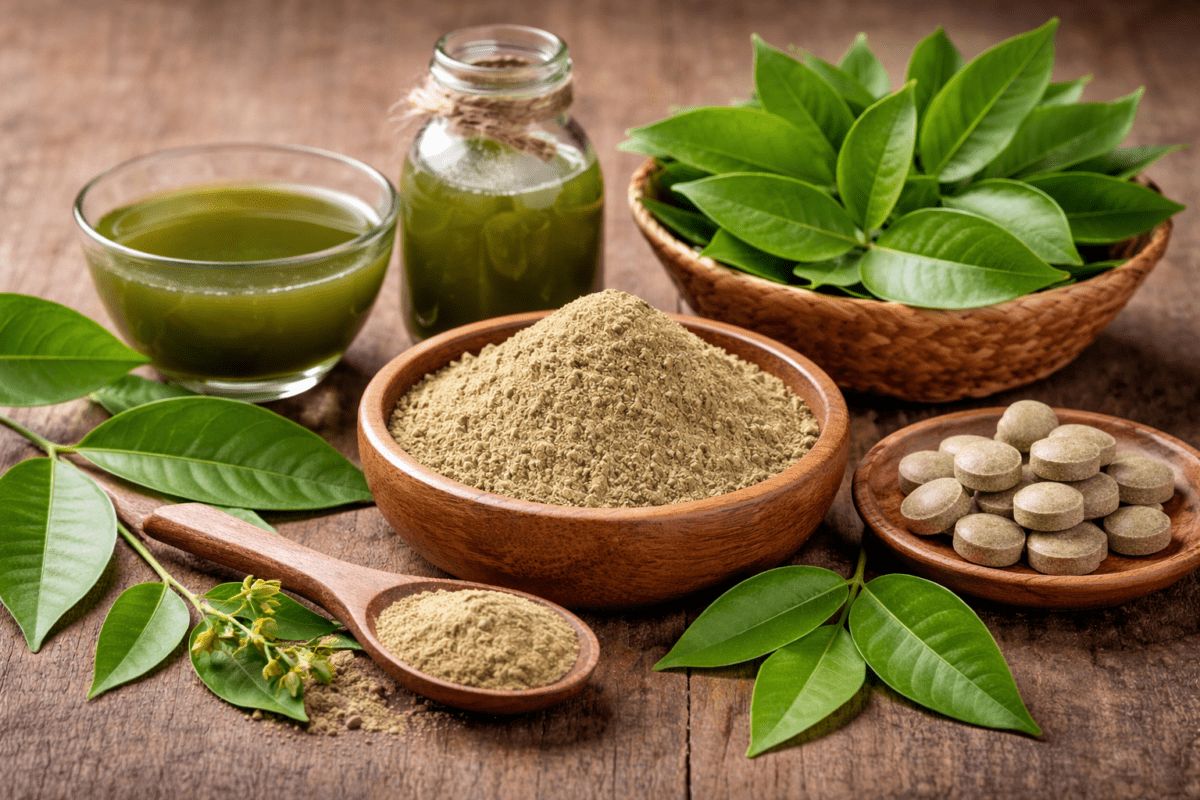
Fresh bael leaves are washed and crushed to extract juice.
- Dosage: 10–20 ml daily
- Benefits: Best for diabetes and digestion
3. Bael Leaf Decoction (Kadha)
- Boil 5–10 bael leaves in 2 cups of water
- Reduce to 1 cup, strain, and consume
Useful for diarrhea, gut weakness, and immunity support.
4. Bael Leaf Tablets or Capsules
Available in standardized herbal supplements for convenience. Dosage depends on formulation and practitioner advice.
Combination with Other Ayurvedic Herbs
Bael leaf works even better when combined with complementary herbs:
- With Kutaj for chronic diarrhea
- With Triphala for gut detoxification
- With Gudmar for diabetes management
- With Giloy for immunity enhancement
Such combinations are commonly used in classical and modern Ayurvedic formulations.
Precautions & Side Effects
Bael leaf is generally safe when used in recommended doses. However:
- Excess consumption may cause constipation
- Pregnant and breastfeeding women should consult a physician
- Long-term use should be supervised by an Ayurvedic expert
- Ensure the leaves are clean and pesticide-free
Bael Leaf in Spiritual & Cultural Context
Apart from its medicinal value, bael leaf holds immense spiritual importance in Hindu tradition. Bel Patra is considered sacred and is traditionally offered to Lord Shiva. The three-leaf structure symbolizes balance, purity, and harmony.
This deep cultural connection further emphasizes bael leaf’s role in holistic well-being—body, mind, and spirit.
Bael Leaf in Modern Wellness
Today, bael leaf is widely used in herbal teas, powders, capsules, and wellness formulations. With increasing awareness of natural remedies, bael leaf is being studied for its anti-diabetic, gut-protective, and antioxidant properties, validating its ancient Ayurvedic use.
Many herbal brands are now incorporating bael leaf into digestive tonics and metabolic health products.
Conclusion
Bael leaf is a powerful gift of nature that supports digestive strength, metabolic balance, immunity, and overall wellness. Its ability to manage diarrhea, improve blood sugar control, detoxify the liver, and strengthen immunity makes it one of the most valuable herbs in Ayurveda.
When used correctly and consistently, bael leaf offers a safe, natural, and effective way to restore internal balance and promote long-term health. In an era where people are seeking gentle yet effective herbal solutions, bael leaf stands as a timeless Ayurvedic remedy rooted in tradition and supported by modern understanding.