Introduction
Ashok bark, commonly known as Ashoka Chhal, is one of the most revered herbs in Ayurveda, especially for women’s health. Derived from the Ashoka tree (Saraca asoca), this medicinal bark has been used for centuries in classical Ayurvedic formulations. The word Ashoka literally means “one who removes sorrow”, symbolizing its powerful role in relieving pain, discomfort, and hormonal imbalance—particularly related to the female reproductive system.
In today’s fast-paced lifestyle, problems like irregular periods, hormonal imbalance, stress, and uterine disorders are becoming increasingly common. Ashok bark stands out as a natural, time-tested solution that supports holistic reproductive health without harsh side effects when used correctly.
Botanical Description of Ashoka Tree
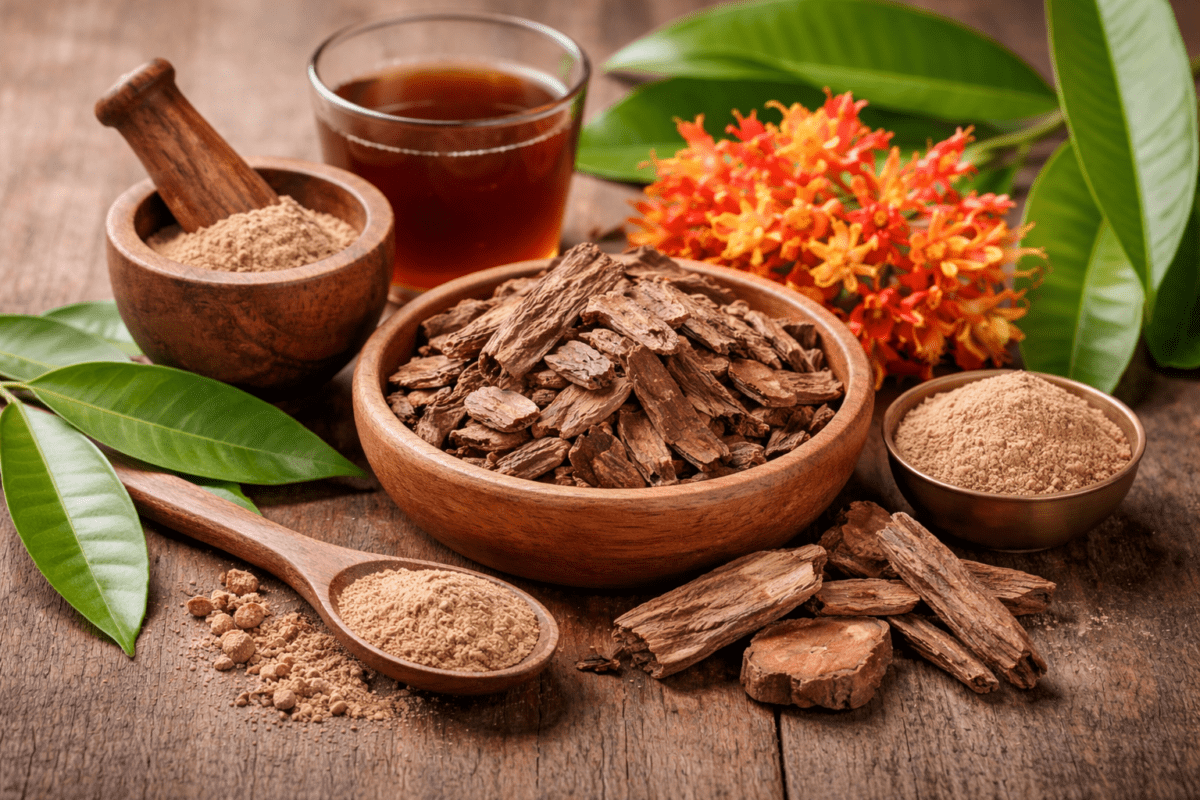
The Ashoka tree is an evergreen, sacred tree native to India and Southeast Asia. It typically grows up to 10–12 meters tall and is known for its beautiful orange-yellow flowers that bloom in clusters.
- Botanical name: Saraca asoca
- Family: Fabaceae
- Part used: Bark (mainly), sometimes flowers and leaves
- Taste (Rasa): Kashaya (astringent), Tikta (bitter)
- Potency (Virya): Sheeta (cooling)
- Post-digestive effect (Vipaka): Katu
The bark is thick, brown to grey in color, and rich in medicinal compounds like tannins, flavonoids, glycosides, and phenolic compounds.
Ayurvedic Significance of Ashok Bark
In Ayurveda, Ashok bark is classified as a uterine tonic. It balances Pitta and Kapha dosha and has a cooling, soothing effect on the reproductive organs. Ancient Ayurvedic texts like Charaka Samhita and Sushruta Samhita describe Ashoka as a prime herb for managing gynecological disorders.
Ashok bark works by strengthening uterine muscles, regulating menstrual flow, and improving circulation in pelvic organs. This makes it especially beneficial for women across different life stages—from adolescence to menopause.
Key Health Benefits of Ashok Bark
1. Supports Women’s Reproductive Health
Ashok bark is best known for its powerful action on the female reproductive system. It helps tone the uterus, improves endometrial health, and supports overall gynecological wellness.
2. Regulates Menstrual Cycle
Irregular periods, delayed cycles, and painful menstruation are common issues today. Ashok bark helps regulate menstrual flow and timing by balancing hormones naturally.
3. Reduces Menstrual Pain (Dysmenorrhea)
Due to its anti-inflammatory and antispasmodic properties, Ashok bark helps reduce uterine cramps, lower abdominal pain, and back pain during menstruation.
4. Helpful in Heavy Menstrual Bleeding
Ashok bark’s astringent nature helps control excessive bleeding (menorrhagia) by strengthening uterine tissues and reducing abnormal blood flow.
5. Beneficial in Leucorrhea
White discharge (leucorrhea) caused by weakness or infection can be effectively managed with Ashok bark. It improves tissue strength and reduces excessive secretions.
6. Supports Hormonal Balance
Ashok bark helps stabilize fluctuating hormones, making it useful in conditions like PCOD, PCOS, and PMS when combined with proper diet and lifestyle.
7. Anti-inflammatory & Antimicrobial Action
The natural compounds in Ashok bark help fight inflammation and inhibit the growth of harmful bacteria, supporting internal cleansing and reproductive health.
8. Improves Fertility Support
By strengthening the uterus and improving hormonal balance, Ashok bark may indirectly support fertility in women when used under professional guidance.
Benefits of Ashok Bark Beyond Women’s Health
Although Ashok bark is primarily known for gynecological benefits, it also supports general health:
- Helps improve digestion due to its astringent nature
- Supports healthy blood circulation
- Assists in managing mild skin issues caused by hormonal imbalance
- Helps reduce stress-related discomfort due to its calming effect
Chemical Constituents of Ashok Bark
Ashok bark contains several bioactive compounds responsible for its therapeutic properties:
- Tannins
- Flavonoids
- Catechols
- Sterols
- Glycosides
- Phenolic compounds
These compounds collectively contribute to its antioxidant, anti-inflammatory, and uterine-tonic effects.
How to Use Ashok Bark
1. Ashok Bark Powder
- Dosage: 3–5 grams twice daily
- How to take: With lukewarm water or as directed by an Ayurvedic expert
2. Ashok Bark Decoction (Kadha)
- Boil 10–15 grams of coarse Ashok bark in 2 cups of water
- Reduce to 1 cup, strain, and drink
- Best time: Morning or evening
3. Ashok Bark Capsules or Tablets
- Available in standardized Ayurvedic formulations
- Convenient for modern lifestyle
- Dosage depends on product strength and medical advice
Combination with Other Ayurvedic Herbs
Ashok bark is often combined with other herbs for enhanced benefits:
- With Lodhra for heavy bleeding
- With Shatavari for hormonal balance and fertility
- With Nagkesar for uterine strength
- With Ashwagandha for stress-induced menstrual issues
These combinations are commonly found in classical Ayurvedic medicines.
Precautions & Side Effects
Ashok bark is generally safe when taken in recommended doses. However:
- Pregnant women should avoid self-medication
- Overdose may cause constipation due to its astringent nature
- Always consult an Ayurvedic practitioner for long-term use
- Ensure the bark is ethically sourced and properly processed
Ashok Bark in Modern Wellness
With the growing demand for natural and herbal solutions, Ashok bark has gained renewed popularity in modern wellness products. Many herbal brands now offer Ashok bark powder, extracts, and formulations focused on women’s health, menstrual care, and hormonal balance.
Scientific studies continue to explore its estrogen-modulating, antioxidant, and anti-inflammatory effects, supporting what Ayurveda has known for centuries.
Conclusion
Ashok bark is truly a blessing of nature for women’s health and holistic well-being. Its ability to strengthen the uterus, regulate menstruation, reduce pain, and support hormonal balance makes it one of the most valuable herbs in Ayurveda. When used responsibly and under proper guidance, Ashok bark offers a natural, gentle, and effective approach to managing gynecological and hormonal issues.
In a world increasingly turning toward natural remedies, Ashok bark stands tall as a symbol of ancient wisdom meeting modern health needs—restoring balance, strength, and comfort naturally.